
Young people are the heart of the sustained nationwide campaign to build a drug-free society in India. The Nasha Mukt Yuva for Viksit Bharat Sankalp Abhiyan was launched by Prime Minister Narendra Modi on 2 August 2026, and it seeks to ramp up efforts to fight substance abuse with a sustained people’s movement. The special feature of the initiative is a 100-week Jan Bhagidari campaign that emphasises prevention, healthy lifestyles, community participation, recovery, and youth leadership.
A developed India must be healthy, which is only possible when youth are protected from substance abuse. This is possible through knowledge, opportunities, and support needed to make healthy choices. The initiative is built around four broad pillars — Prevent, Protect, Recover and Lead. Together, they reflect a comprehensive approach to the challenge of substance abuse.
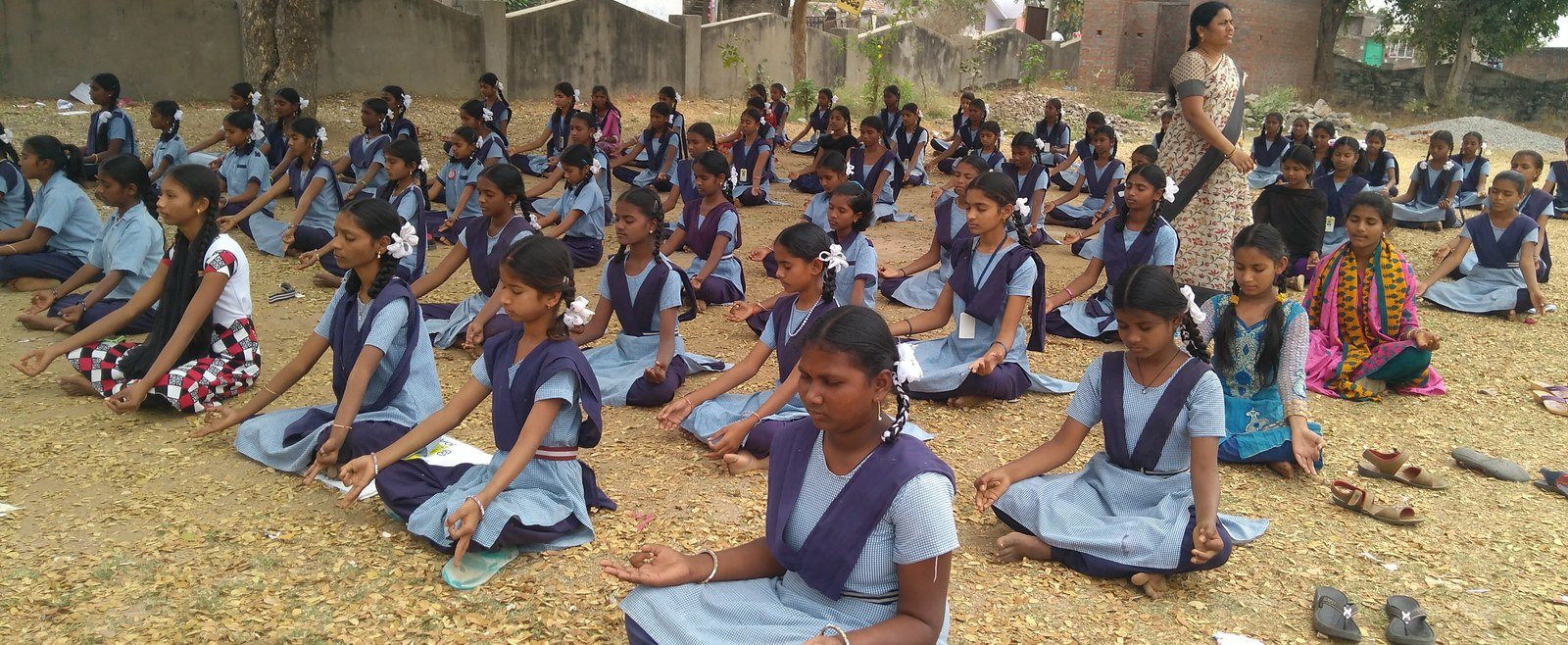
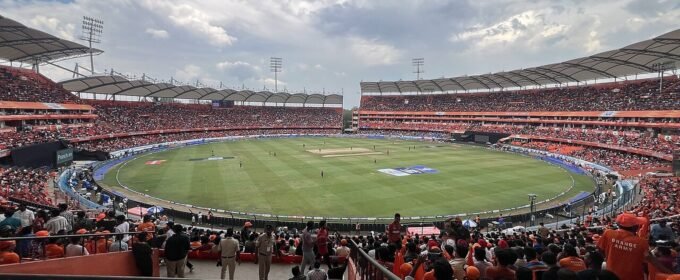
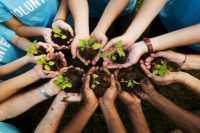
The programme includes a set of activities which promote healthy living, comprising sports, yoga, meditation, walkathons, cyclothons, cultural activities, art, street plays and community programmes to communicate its message. It aims to promote a drug-free lifestyle by imbibing a culture of physical fitness, emotional well-being, creativity and social participation.
Various themes, including “My Health, My Pride”, “Fit Youth, Addiction-Free Youth” and “Life Skills Month”, are part of the first phase. Health check-ups, BMI assessments, meditation and wellness sessions are also being organised to support decision-making, problem-solving and dealing with peer pressure.
The campaign is turning into a mass movement. More than 30,200 locations conducted several activities, with the campaign recording 2.5 crore viewership and more than 1 crore pledges by September 2026. A nationwide mobilisation on 20 September brought together more than 4 lakh youth and citizens at over 1,000 locations.
Also, the success of the campaign depends on taking action against the supply chain. The demand side can be addressed through prevention and rehabilitation, while there is a need to break the nexus of trafficking, illicit production, and distribution by law enforcement agencies.
In this digital age, technology and social media also provide an important platform for reaching out to India’s young population. These platforms could carry prevention messages, share information about support services, and amplify youth-led initiatives.
India’s biggest asset is its demographic dividend of youth. Investing not only in their education and employment but also in health, well-being, and social resilience is very important.
The main objective of the campaign is not only to encourage young people to say “no” to substance abuse but to say “yes” to fitness, creativity, education, sport, service, family and community.
100 WEEKS, ONE NATIONAL RESOLVE
100 weeks / 100 Sundays
The Nasha Mukt Yuva for Viksit Bharat campaign is designed as a 100-week Jan Bhagidari movement, with activities every Sunday.
30,200+ locations had participated by September 2026, with 2.5 crore+ viewership and 1 crore+ pledges recorded.
FOUR PILLARS OF A DRUG-FREE FUTURE
PREVENT — Awareness, healthy habits and life skillsPROTECT — Supportive families, schools and communitiesRECOVER — Counselling, treatment and rehabilitationLEAD — Youth becoming agents of positive change
The four pillars broaden the response from awareness alone to prevention, support, recovery and leadership.
THE YOUTH MOBILISATION
4 LAKH+ PARTICIPANTS
On 20 September 2026, the Rashtriya Sankalp Samaroh brought together more than 4 lakh youth and citizens at 1,000+ locations.
The mobilisation included:
460 MY Bharat districts240 partner-organisation locations300+ locations involving spiritual organisations, industry associations and university associations.
BOX 4 | HEALTHY LIVING AS PREVENTION
3 THEMES • 12 WEEKS
The opening activity calendar focuses on:
MY HEALTH, MY PRIDEHealth check-ups, BMI assessment, meditation and wellness.
FIT YOUTH, ADDICTION-FREE YOUTHYoga, sports, runs, cyclothons and fitness activities.
LIFE SKILLS MONTHDecision-making, problem-solving and dealing with peer pressure.
The objective is to make prevention part of everyday healthy living rather than treating drug awareness as an isolated campaign.










Leave a comment