

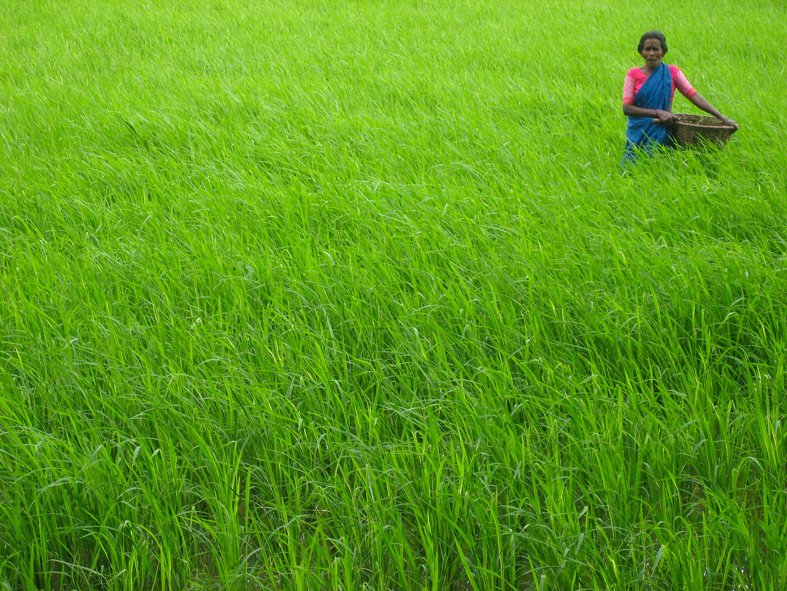
The agriculture sector in India has been revamped as consumer demand rises together with high potential for exports. There is a global market for Indian agricultural products including makhana, jackfruit, Kalanamak rice, Kashmiri saffron, jamun, millets and moringa, among others.
India’s Agriculture Agreements with Various Countries
India has been becoming the food basket of the world. So far India has signed agriculture and allied-sector MoUs/agreements with many countries and economic blocs including Australia, UAE, UK, European Union, Oman, ASEAN, Japan, Saudi Arabia, Mauritius and USA.
Such agreements play a key role not only in commodity trade but also provide an important avenue for affordable technology sharing and knowledge sharing, especially with countries in Africa and the Global South.
This also creates a global market for special Indian agricultural products that are very popular within the country and can have high demand internationally. India’s efforts have led to a jump in demand for products including spices, moringa, makhana and traditional rice varieties.
It also helps in diversifying from exporting raw commodities to high-value products.
This enables India to not just provide food security to the world but also foster technology transfer and farmers’ capacity building.
Major Indian Agriculture Trade Agreements
- Australia – ECTA: From 1 January 2026, all Indian exports, including food, agricultural and marine products, became eligible for zero-duty access in Australia. Earlier, key agricultural/marine products faced duties of up to 5%.
- UAE – CEPA: India secured duty-free/preferential access on 97% of UAE tariff lines covering 99% of Indian exports.
- European Union – FTA: India and the EU concluded FTA negotiations on 27 January 2026. India’s agricultural opportunities include tea, coffee, spices, grapes, gherkins, dried onion, fresh fruits and vegetables and processed foods.
- ASEAN: The ASEAN–India Trade in Goods Agreement provides the framework for India’s trade in goods with the ASEAN region; agriculture and food products are an important component of this trade, alongside manufacturing.
- United States: APEDA-product exports to the US were approximately US$1.53 billion in 2025–26, demonstrating the importance of the US market even without a comprehensive India–US FTA.
India Protecting the Interests of Farmers
India keeps highly sensitive agricultural products such as rice, wheat, maize, sugar, millets and poultry outside tariff concessions. For products such as lentils, almonds and walnuts, India keeps Tariff Rate Quotas, which ensure the market is not opened completely but only to a specified quantity at a lower tariff.
India also levies a Minimum Import Price on certain products so that Indian producers are not affected by cheap imports.
Additionally, in certain agreements, instead of reducing tariffs immediately to zero, India reduces them in phases.
In many agreements several products have been excluded to protect the Indian agriculture sector. Under India–Oman CEPA, vegetables, cereals, dairy and edible oils, among others, have been kept out of tariff concessions. Similarly, the India–New Zealand agreement excludes sugar, dairy and agricultural products. Under the India–EU FTA, protection has been given to products such as cereals, poultry, soymeal and dairy.














Leave a comment