

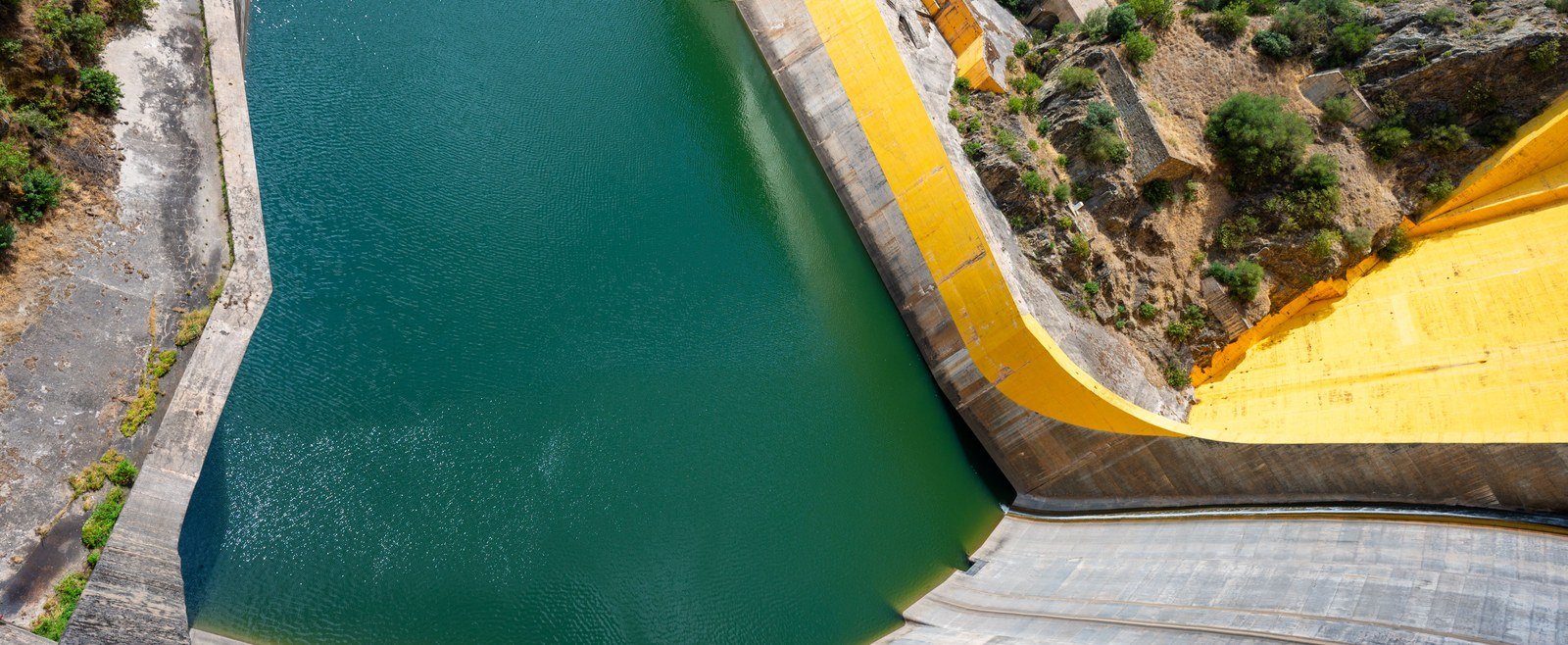
India has increased its development assistance significantly over time with an eye toward partnering with countries in Africa and its neighbourhood, including offering concessional Lines of Credit (LoCs) for various projects. Several projects, from building the Afghan-India Friendship Dam, the Parliament building in The Gambia, to Mauritius’s Metro Express, cross-border railway links in Nepal and housing projects in Sri Lanka are defining India’s assertiveness in engaging the Global South nations.
India assisting the Global South nations: India has extended more than 260 LoCs worth over US$26 billion to nearly 62 countries, supporting around 600 projects in sectors including transport, agriculture, energy, healthcare and information technology. More than 160 LoCs worth nearly US$10 billion have been extended to African countries, while regional connectivity remains a priority in India’s neighbourhood.
These projects are spread across various countries, including Mozambique, Tanzania, Mauritius, Uganda, Bangladesh and Sri Lanka.
These nations of the Global South are rich in natural resources but face the challenge of a technological gap. India, which is emerging as a leading nation in technology, seeks to help these nations overcome these challenges.
India’s expertise in digital technology has received credibility across the globe. It has signed an agreement for India Stack memoranda of understanding with 24 countries, while UPI-linked payment initiatives and other digital public infrastructure projects are being developed with international partners.
Under grant assistance to support the inclusive and sustainable development framework, over 80 projects have been completed in the last decade across countries in the neighbourhood, the Indian Ocean Region, Latin America and the Caribbean, among others.
‘India for Humanity’ initiative was launched in 2018 to commemorate the 150th birth anniversary of Mahatma Gandhi. India also undertook the ‘Jaipur Foot’ campaign in several countries to support a year-long series of artificial limb fitment camps which were organized in many Asian and African countries.
Also, during times of Covid 19, medical assistance, including testing kits, protective gear, hydroxychloroquine, and other medicines, was provided to around 90-plus countries across the globe. Under the Vaccine Maitri campaign, India delivered nearly 300 million vaccine doses to over 100 countries worldwide.
The main focus of India’s foreign aid centers around the development and modernization of its recipients.
Since the 1940s, India has been running its foreign aid programme. The Indian Technical and Economic Cooperation (ITEC) programme was set up in 1964 to boost the foreign assistance programme. India ramped up its foreign aid significantly through the 2000s and into the mid-2010s.
Rising allocation of aid: The total aid allocation to countries has risen marginally for the year 2026-27 to ₹5,685.56 crore as compared to ₹5,483 crore in the 2025–26 Budget Estimates. Compared with the revised expenditure of ₹5,785.40 crore in 2025-26, however, the allocation represents a modest decline of around 1.7%.
Bhutan is receiving the largest allocation of ₹2,288.56 crore. The political equation is quite visible in the allocation of aid. Its aid to Afghanistan has increased from ₹100 crore to ₹150 crore as India seeks to engage the government in Afghanistan. While relations have soured with Bangladesh, India has halved its aid to ₹60 crore, reflecting a changing regional context.
Nepal, Sri Lanka and Myanmar also receive a sizeable aid amount. Aid to Latin American countries has doubled from ₹60 crore to ₹120 crore
Also, the dedicated allocation for the Chabahar port is absent, which highlights the geopolitical tensions taking their toll on strategic infrastructure projects.
However, the aid diplomacy’s effectiveness vastly depends on its timely implementation and long-term developmental impact.
An eye on China: Geopolitical interests play a key role in India’s development assistance calculus. It has become a crucial factor in foreign policy that can influence recipient countries’ priorities. Belt and Road Initiative is one of the key concerns of India. The neighbours of India have used competition between New Delhi and Beijing to sharpen their bargaining power.
Ultimately, the effectiveness of India’s neighbourhood assistance will depend not simply on budgetary allocations but on timely implementation, predictable financing and visible development outcomes. As regional countries compare India’s performance with China’s, the credibility of New Delhi’s development diplomacy will rest on its ability to translate commitments into completed projects and lasting public confidence.











Leave a comment