

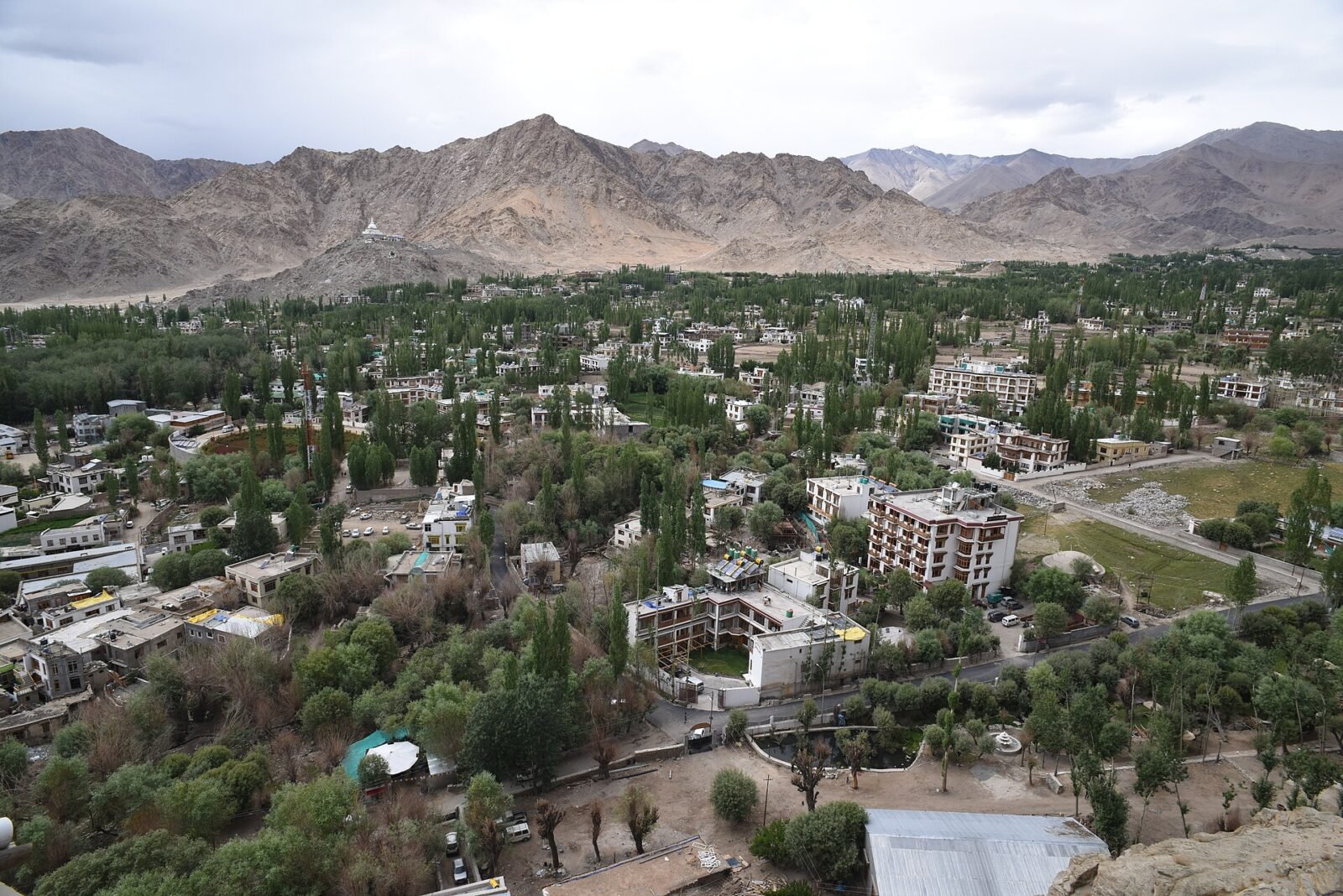
India calls Aksai Chin its integral part, which was taken by China after the 1962 invasion. Despite the efforts of both nations to maintain enduring peace, the issue remains very dangerous, with the potential to snowball into major conflict.
Despite losing the territory to China, India has always unequivocally laid claim to Aksai Chin. In a statement in the Lok Sabha on 3 December 2024, External Affairs Minister S Jaishankar reiterated that China is in “illegal occupation of 38,000 sq km of Indian territory in Aksai Chin”. He also stated that Pakistan had illegally ceded another 5,180 sq km of Indian territory to China in 1963, territory that Pakistan had been occupying since 1948.
India-China Talks to Resolve Border Disputes
The two nations have held 25 rounds of talks up to August 2026 under the Special Representatives mechanism, established in 2003 for a political settlement of the boundary question. Both nations seek a fair, reasonable, and mutually acceptable solution, but there has been no final boundary settlement.
The two nations were involved in bitter skirmishes and full-blown military tension that began in eastern Ladakh in 2020. Thereafter, they conducted multiple rounds of military and diplomatic negotiations. The two nations held 18 meetings of the Working Mechanism for Consultation and Coordination and 21 rounds of senior military commander-level talks by 2024, says the Ministry of External Affairs.
India and China tried to defuse the tensions by agreeing on patrolling arrangements along the LAC in eastern Ladakh in October 2024. The agreement paved the way for disengagement in the remaining friction areas, particularly Depsang and Demchok, which played a key role in reducing military tension that has caused uneasiness in relations since 2020.
Recent Xi Visit to India
The meeting between Prime Minister Narendra Modi and President Xi Jinping in 2026 during the BRICS summit in New Delhi in September sought to take relations to normalcy. The two leaders discussed restoration of bilateral ties and border peace.
Despite military tensions easing after the 2024 agreement, the heavy deployment along the border and the unresolved boundary question remain the biggest obstacles.
The progress in bilateral talks, however, cannot be interpreted as progress towards China returning Aksai Chin. So far the discussions have set the agenda for disengagement, patrolling and maintaining peace along the LAC without any concrete step to settle the border dispute. India has steadfastly maintained that the border dispute requires a transparent and mutually acceptable resolution.
Significance of Aksai Chin
The Aksai Chin region is administered by China as part of Xinjiang. India considers it part of the Union Territory of Ladakh, important for territorial, strategic and connectivity reasons.
This region serves as an important land corridor between Xinjiang and Tibet. It also lies directly opposite India’s Eastern Ladakh.
The plateau provides the upper hand in observation, mobility and military positioning. This matters because in this region the pace of moving troops, fuel and equipment is as important as the number of troops deployed.
China Increasing Its Presence in the Area
China’s infrastructure development is taking place at a fast pace, including in Aksai Chin. Large-scale construction is under way not only in Aksai Chin but also in Tibet and Xinjiang, which is a warning bell for India. Chinese moves include:
- upgraded and new airfields and heliports;
- new roads connecting the interior to the border;
- expanded logistics and supply facilities;
- rail connections and transportation hubs;
- hardened military positions and shelters;
- dual-use civilian infrastructure and border villages.












Leave a comment